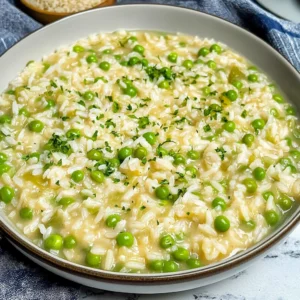
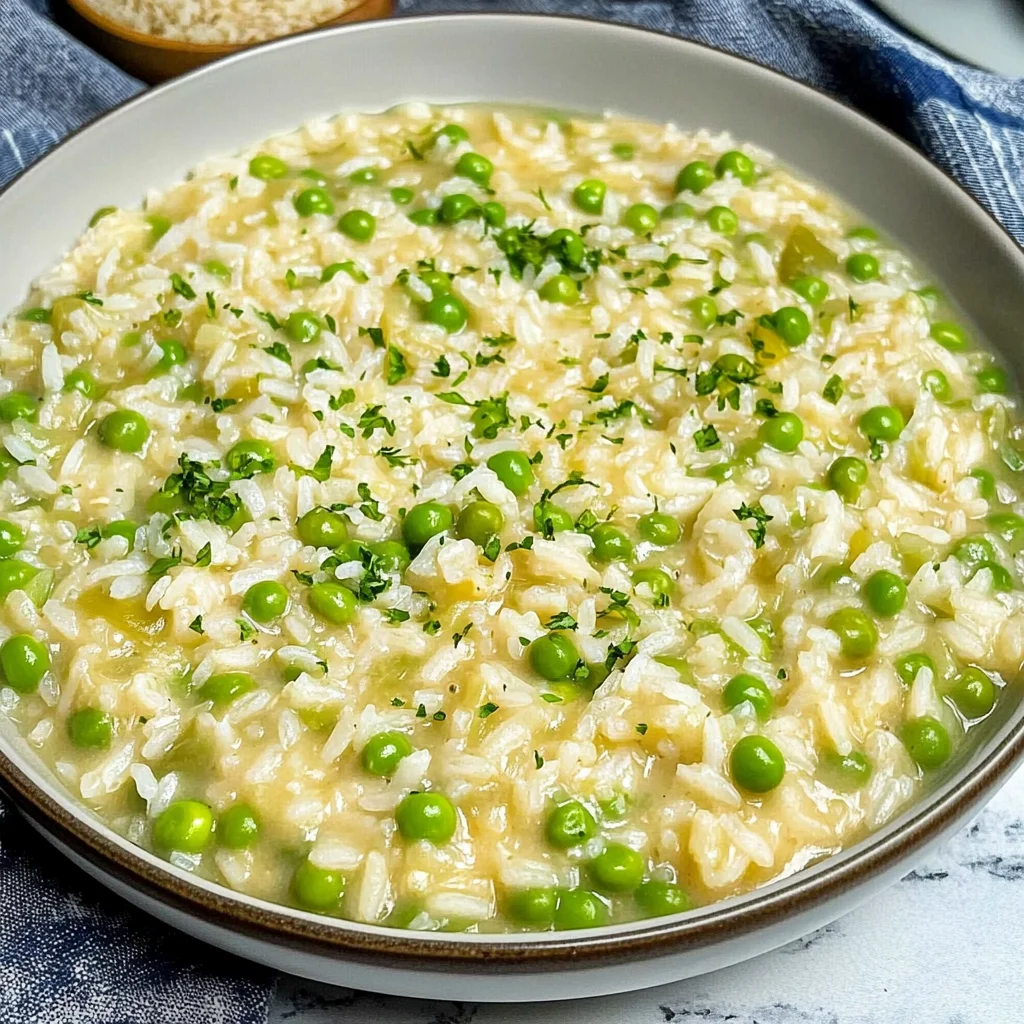
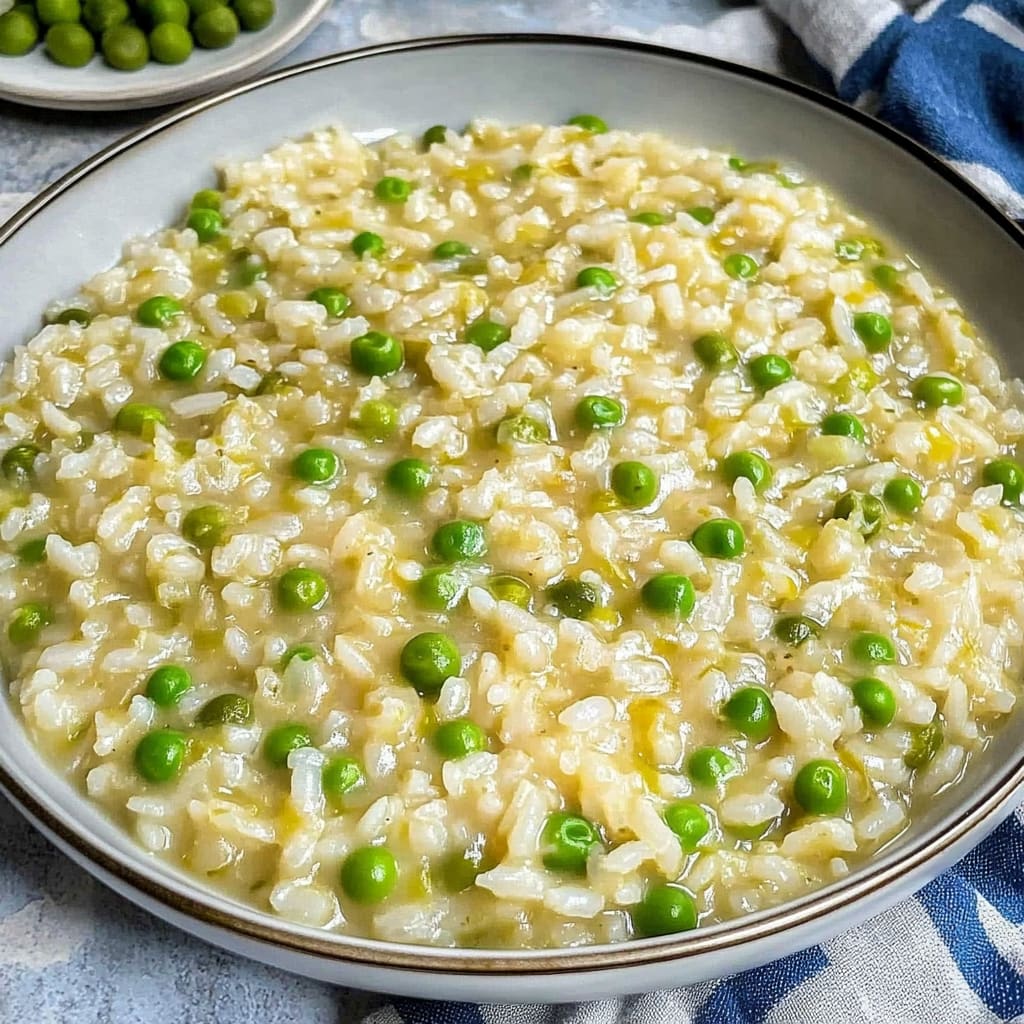
Imagine the delightful aroma of fresh peas mingling with a hint of garlic and onion, as the creamy texture of Arborio rice brings this classic Venetian dish, Risi e Bisi, to life. Each spoonful bursts with the vibrant flavors of spring, transporting you to the sun-kissed canals of Venice where this beloved recipe is traditionally savored.
Jump to:
- Why Is Risi e Bisi (Italian Rice and Peas) So Irresistibly Good?
- Risi e Bisi (Italian Rice and Peas) Ingredients
- Step-by-Step Risi e Bisi (Italian Rice and Peas)
- Expert Tips
- How to Store Risi e Bisi (Italian Rice and Peas)
- Make Risi e Bisi (Italian Rice and Peas) Your Own
- Make Ahead Options
- Risi e Bisi (Italian Rice and Peas) Recipe FAQs
Growing up, Risi e Bisi was our family’s go-to dish for celebrating the arrival of spring, filling our home with warmth and laughter. This enchanting blend of simplicity and elegance is perfect for cozy gatherings or a casual weeknight dinner, promising an unforgettable flavor experience that will have everyone coming back for seconds.
Why Is Risi e Bisi (Italian Rice and Peas) So Irresistibly Good?
Fresh peas bring a burst of spring flavor, making this dish a seasonal delight. Arborio rice creates a creamy texture that perfectly absorbs the rich vegetable broth. Parmesan cheese adds a savory depth, elevating each bite. Plus, it’s quick to prepare—ready in just 30 minutes! A delightful crowd-pleaser, it’s versatile enough for special occasions or casual family dinners.
Risi e Bisi (Italian Rice and Peas) Ingredients
- For the Rice
- 1 cup Arborio rice – This short-grain rice is perfect for creamy risottos, absorbing flavors beautifully while maintaining a tender bite.
- For the Peas
- 2 cups Fresh peas – Shelled fresh peas add a sweet burst of flavor that complements the richness of the dish perfectly.
- For the Broth
- 4 cups Vegetable broth – Use low-sodium broth to control the saltiness while enhancing the dish’s overall taste.
- For the Aromatics
- 1 medium Onion – Finely chopped onion provides a fragrant base, adding depth to your Risi e Bisi (Italian Rice and Peas).
- For Cooking Fat
- 2 tablespoons Olive oil – This healthy fat not only helps sauté the onions but also adds a lovely richness to the dish.
- For Creaminess
- 1/2 cup Parmesan cheese – Grated Parmesan cheese melts beautifully, giving your Risi e Bisi a delightful creamy finish.
- To Taste
- Salt to taste – Season gradually; you can always add more, but it’s hard to take it out once added.
- To Taste
- Pepper to taste – A sprinkle of freshly cracked pepper enhances flavors and adds a gentle spice to your meal.
Step-by-Step Risi e Bisi (Italian Rice and Peas)
1. Sauté Onion: In a large pot, heat 2 tablespoons of olive oil over medium heat. Add the finely chopped onion and sauté until it becomes translucent, about 5 minutes—this builds a flavorful base.
2. Toast Rice: Next, add 1 cup of Arborio rice to the pot. Toast the rice for 2-3 minutes, stirring frequently until the grains are slightly translucent and fragrant; this enhances their nutty flavor.
3. Add Broth: Pour in 4 cups of low-sodium vegetable broth. Bring the mixture to a gentle simmer, then cook for about 15 minutes, stirring occasionally, until the rice absorbs some of the broth and softens.
4. Incorporate Peas: Gently fold in 2 cups of shelled fresh peas. Continue to cook for another 5-10 minutes, ensuring the rice is creamy and al dente; you’ll know it’s ready when it has a delightful texture.
5. Mix in Cheese: Stir in 1/2 cup of grated Parmesan cheese while seasoning with salt and pepper to taste. The cheese adds a wonderful creaminess that complements the sweetness of the peas beautifully.
6. Serve Warm: Finally, serve your Risi e Bisi warm, garnished with additional Parmesan if desired for an extra touch of indulgence.
Optional: Optional: Drizzle with a little extra olive oil before serving for added richness.
Exact quantities are listed in the recipe card below.
Expert Tips
- Rice Selection: Use Arborio rice for the best creamy texture; avoid long-grain rice, as it won’t yield the same results in Risi e Bisi.
- Pea Freshness: Opt for fresh peas whenever possible. Frozen peas can work, but they may alter the dish’s vibrant spring flavor.
- Broth Temperature: Ensure your vegetable broth is warm when adding it to the rice. Cold broth can shock the cooking process and lead to uneven texture.
- Avoid Overcooking: Watch the rice closely during the last stages of cooking; overcooked rice can turn mushy, ruining the creamy al dente finish we seek in Risi e Bisi.
- Cheese Quality: Use high-quality Parmesan cheese for a richer flavor. Avoid pre-grated options, which often contain fillers that can compromise taste.
- Season Gradually: Taste and adjust salt and pepper towards the end of cooking. The broth and cheese contribute saltiness, so be cautious!
How to Store Risi e Bisi (Italian Rice and Peas)
- Fridge: Store leftover Risi e Bisi in an airtight container for up to 3 days. This keeps the flavors intact and prevents drying out.
- Freezer: If you want to enjoy it later, freeze Risi e Bisi in a freezer-safe container for up to 2 months. Make sure to leave some space for expansion.
- Reheating: Thaw frozen Risi e Bisi overnight in the fridge, then reheat on the stovetop with a splash of vegetable broth for added moisture.
- Serving: Always check the seasoning after reheating; you might want to add a pinch of salt or a sprinkle of freshly grated Parmesan cheese for that extra touch!
Make Risi e Bisi (Italian Rice and Peas) Your Own
Feel free to add your personal touch to this delightful dish and make it truly yours!
- Herb-Infused: Add fresh basil or mint to elevate the dish with aromatic flavors. These herbs complement the sweetness of peas beautifully and bring a refreshing twist.
- Bacon Delight: Sauté some crispy pancetta or bacon with the onion for a smoky richness. The savory bits will add depth and a satisfying crunch to every bite.
- Creamy Vegan: Substitute Parmesan with nutritional yeast and use coconut cream for a luscious, dairy-free version. This swap allows you to enjoy a creamy texture while keeping it plant-based.
- Spicy Kick: Mix in red pepper flakes or diced jalapeños for an exciting heat level. The spice will contrast nicely with the sweet peas, giving your meal an invigorating punch.
- Mushroom Medley: Stir in sautéed mushrooms along with the onions for an earthy flavor. Their meaty texture adds substance, making the dish even heartier.
- Quinoa Option: Swap Arborio rice for quinoa for a protein-packed alternative. Quinoa’s nutty flavor complements the dish while providing a delightful texture that’s both chewy and satisfying.
- Lemon Zest: Finish with a sprinkle of lemon zest before serving for a bright, zesty finish. The citrus notes will enhance the freshness of the peas, making every spoonful sing!
Make Ahead Options
Risi e Bisi (Italian Rice and Peas) is a delightful dish that lends itself beautifully to meal prep, making it perfect for busy weeknights or leisurely family gatherings. You can prepare the Arborio rice and sauté the onion in olive oil up to 24 hours in advance, storing them in an airtight container in the refrigerator. The fresh peas can also be shelled and kept fresh for about three days. To maintain the creamy texture of this dish, it’s best to cook the rice and peas together right before serving. Simply reheat your prepped ingredients in a pot with vegetable broth until warmed through, add the grated Parmesan, and season with salt and pepper to taste. This approach not only saves time but ensures a comforting, home-cooked meal ready when you are!
Risi e Bisi (Italian Rice and Peas) Recipe FAQs
What type of rice is best for Risi e Bisi?
For the perfect creamy texture, Arborio rice is your best bet. This short-grain rice is known for its high starch content, which helps create that wonderfully rich and velvety consistency you want in this Venetian dish.
Can I use frozen peas instead of fresh?
Absolutely! While fresh peas give a lovely sweetness and vibrant color to Risi e Bisi, frozen peas are a convenient alternative. Just add them during the last 5-10 minutes of cooking, just as you would with fresh ones; they’ll heat through quickly and maintain their flavor.
How should I store leftovers?
If you have any leftover Risi e Bisi, let it cool completely before transferring it to an airtight container. It can be stored in the refrigerator for up to 3 days. When you’re ready to enjoy it again, simply reheat on the stovetop with a splash of broth or water to bring back that creamy texture.
Can I freeze Risi e Bisi?
While it’s possible to freeze Risi e Bisi, keep in mind that the texture may change slightly upon reheating. If you choose to freeze it, make sure it’s cooled completely before placing it in a freezer-safe container. Enjoy within 2-3 months for the best taste. Thaw it overnight in the fridge before reheating.
How do I ensure my rice is cooked perfectly al dente?
To achieve that delightful al dente texture, keep an eye on your rice while simmering. After about 15 minutes, taste a grain! It should be tender yet firm with a slight bite. Remember to stir occasionally, as this helps release the starch and keeps everything creamy.
What can I serve with Risi e Bisi?
Risi e Bisi is a wonderful main dish on its own but pairs beautifully with a simple side salad or some crusty bread for dipping. You might also consider serving it alongside grilled chicken or fish for a heartier meal! Each serving contains approximately 320 calories, making it light yet satisfying.
Risi e Bisi (Italian Rice and Peas)
Ingredients
Method
- In a large pot, heat the olive oil over medium heat. Add the chopped onion and sauté until translucent.
- Add the Arborio rice to the pot and toast for 2-3 minutes, stirring frequently.
- Pour in the vegetable broth, bring to a simmer, and cook for about 15 minutes, stirring occasionally.
- Add the fresh peas and continue to cook for another 5-10 minutes until the rice is creamy and al dente.
- Stir in the grated Parmesan cheese, and season with salt and pepper to taste.
- Serve warm, garnished with additional Parmesan if desired.